
The 2026 attention economy
LinkedIn in 2026 has moved past the era of keyword stuffing and automated spam. The platform now prioritizes posts that keep people talking in the comments rather than just scrolling. I've seen that the most successful profiles focus on one specific expertise instead of trying to reach everyone at once. It is a shift toward actual substance over sheer volume.
This means moving beyond simply collecting followers and focusing on attracting a targeted audience who are genuinely interested in your expertise. Many professionals are still stuck in the old mindset of chasing vanity metrics, but that approach is becoming increasingly ineffective. The January 2026 LinkedIn Top Voices demonstrate this principle – they aren’t just popular, they’re consistently providing insightful content that sparks conversation.
What sets these Top Voices apart? They aren’t afraid to share original ideas, engage in thoughtful debates, and build relationships with their audience. They’ve understood that LinkedIn isn’t just a digital resume; it’s a platform for building a personal brand and establishing authority. This requires a long-term commitment and a willingness to put in the work to create content that truly resonates.
The core problem is that LinkedIn’s algorithm isn't a thing to beat; it's a reflection of what users want to see. Trying to game it is a waste of time. Instead, focus on creating content that people will naturally want to share, comment on, and engage with. That's the real key to success in the 2026 LinkedIn landscape.
Pick a specific niche
Forget trying to appeal to "everyone in business." The most successful LinkedIn profiles in 2026 are incredibly focused. Trying to be all things to all people will only dilute your message and make it harder to attract a loyal following. Instead, identify a specific niche—a particular industry, role, or problem—and position yourself as the go-to person within that space.
For example, instead of being a "marketing consultant,’ you might become a ‘B2B content marketing strategist for SaaS companies." That level of specificity immediately clarifies your expertise and attracts the right kind of connections. This isn't about limiting yourself; it's about maximizing your impact. When you focus, you stand out.
Keyword research is crucial here, but it extends beyond basic job titles. Think about the specific problems your target audience is facing and the language they use to describe those challenges. Tools like Semrush or Ahrefs can help you identify relevant keywords, but don't be afraid to use LinkedIn's search bar to see what people are actually searching for. Look at the groups they join and the conversations they're having.
Sarah Blakely didn't start by trying to change the entire fashion world; she fixed one specific problem with uncomfortable shapewear. LinkedIn works the same way. If you commit to one narrow topic for a year, you become the person people tag when that subject comes up. It's more effective than being a generalist who nobody remembers.
Find Your LinkedIn Niche: A 30-Day Path to Influence
Building a strong personal brand on LinkedIn is crucial for career advancement and establishing yourself as a thought leader. But where do you start? This quick quiz will help you identify potential niches where your skills and interests can truly shine. Answer honestly to discover the best path for becoming a LinkedIn influencer in 2026.
Content that actually gets read
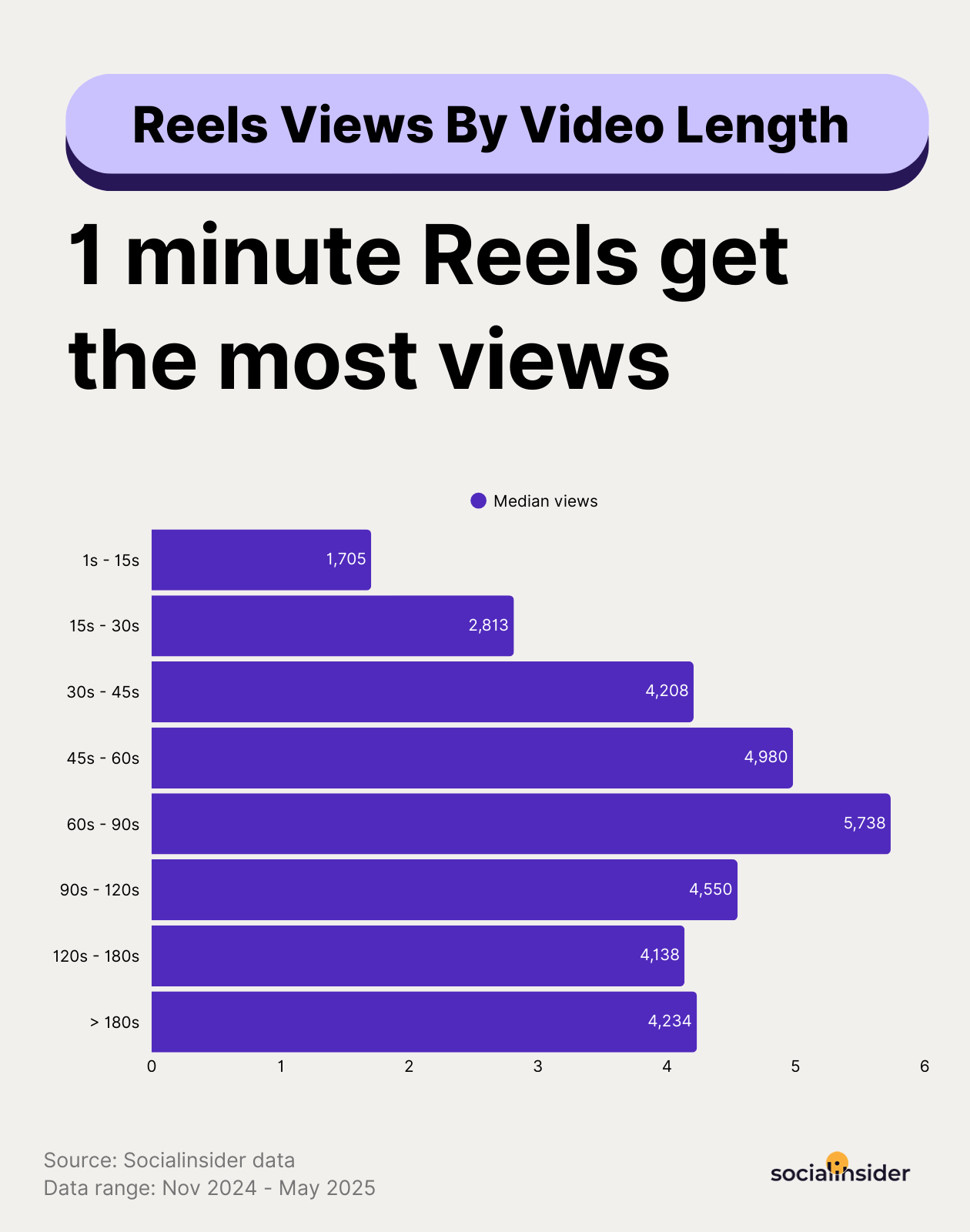
Content is the engine of your LinkedIn personal brand. In 2026, simply sharing articles or writing long-form text posts isn’t enough. You need to create content that truly captures attention and provides value. Video is king – short-form videos (under 60 seconds) are great for quick tips and insights, while longer-form videos allow you to delve deeper into complex topics.
Carousels are also incredibly effective, allowing you to break down information into digestible slides. Documents (PDFs, presentations) can be used to share in-depth guides or research reports. And don't underestimate the power of LinkedIn Live – it's a fantastic way to connect with your audience in real-time and build a sense of community. The Prospeo video on YouTube highlights the importance of optimizing your profile and targeting the right audience, but also stresses consistent content creation.
A content calendar is essential for staying organized and ensuring consistency. Plan out your content at least a week in advance, and aim to post at least 3-5 times per week. Repurposing content from other platforms can save you time, but be mindful of what translates well to LinkedIn. For example, a blog post can be broken down into a series of LinkedIn posts, or a YouTube video can be transcribed and turned into a LinkedIn article.
Avoid overly promotional content. Focus on providing value, sharing insights, and sparking conversations. Think about what your target audience wants to learn, and create content that addresses their needs. Remember, you're building a brand, not just selling a product or service. LinkedIn’s 2026 Content Best Practices emphasize authenticity and relevance above all else.
- Short videos under 60 seconds for quick tips
- Carousels to explain processes step-by-step
- Documents: Share in-depth guides and reports
- LinkedIn Live: Real-time connection and community building
The 30-Day Engagement Blitz
This isn’t a get-rich-quick scheme. Building a strong LinkedIn presence takes time and effort. But you can make significant progress in the first 30 days with a focused engagement strategy. This isn’t about spamming people with connection requests; it’s about building genuine relationships. Start by identifying 20-30 people in your niche who you admire and want to connect with.
Send personalized connection requests, referencing something specific about their profile or recent activity. Avoid the generic "I’d like to connect’ message. Instead, say something like, ‘I really enjoyed your recent post on [topic]. I’m also passionate about [topic] and would love to connect.’ Once connected, engage with their content – like, comment, and share their posts. Add thoughtful insights, not just ‘great post!"
Join 3-5 relevant LinkedIn Groups and actively participate in discussions. Share your expertise, answer questions, and offer valuable insights. Don’t just promote your own content; focus on contributing to the community. Spend at least 30 minutes each day engaging with content and participating in groups. Consistency is key.
Days 1-7: Focus on optimizing your profile and sending personalized connection requests. Days 8-14: Increase your content posting frequency to 3-5 times per week. Days 15-21: Prioritize engagement – commenting on posts and participating in groups. Days 22-30: Analyze your results and adjust your strategy accordingly. Don’t get discouraged by rejection. Not everyone will accept your connection request, and that’s okay. Keep putting yourself out there and building relationships.
Lessons from top voices
The January 2026 LinkedIn Top Voices aren’t just lucky; they’ve mastered the art of personal branding. Analyzing their profiles can provide valuable insights into what works on the platform. Common threads include a clear niche, consistent content creation, and genuine engagement with their audience. They aren’t afraid to share their opinions, challenge conventional wisdom, and spark debate.
Look at their content formats. Many of them utilize video extensively, and they all consistently share valuable insights related to their expertise. They also actively engage with their followers, responding to comments and participating in discussions. Their profiles are polished and professional, but they also feel authentic and approachable.
What can you realistically replicate? You don't need to be a celebrity to build a strong LinkedIn presence. Focus on creating high-quality content that provides value to your target audience. Be consistent with your posting schedule, and actively engage with others in your niche. Don’t try to be someone you’re not; authenticity is key.
For example, many Top Voices regularly share behind-the-scenes glimpses into their work or personal lives, which helps them connect with their audience on a more personal level. Think about how you can incorporate similar elements into your own LinkedIn strategy. It’s about building trust and establishing yourself as a relatable and authoritative voice.
LinkedIn Top Voices - January 2026 Analysis
| Name | Niche | Content Format | Engagement Rate | Key Takeaway |
|---|---|---|---|---|
| Yuval Noah Harari | Future of Humanity/Technology | Text-based posts, Articles | High | Thought leadership and long-form content resonate with a broad audience. |
| Dr. Vivienne Ming | Artificial Intelligence & Ethics | Short-form video, Articles | Very High | Concise explanations of complex AI topics drive significant interaction. |
| Ravin Jesuthasan | Future of Work | Articles, Polls | Moderate to High | Data-driven insights on workforce trends are highly valued by professionals. |
| Dorie Clark | Personal Branding & Marketing | Text-based posts, LinkedIn Articles | High | Practical advice and consistent posting build a strong following. |
| Gary Vaynerchuk | Entrepreneurship & Digital Marketing | Video, Text-based posts | High | Authenticity and direct engagement are crucial for building a loyal audience. |
| Brené Brown | Leadership & Vulnerability | Text-based posts, Articles | Very High | Sharing personal stories and research fosters deep connections. |
| Adam Grant | Organizational Psychology | Articles, Short-form video | High | Evidence-based insights on workplace dynamics attract a professional audience. |
Illustrative comparison based on the article research brief. Verify current pricing, limits, and product details in the official docs before relying on it.
Beyond Connections: Building a Community
Followers are a vanity metric. A genuine community is where the real value lies. Building a community around your LinkedIn profile means fostering interaction, sparking conversations, and building relationships. It’s about creating a space where people feel comfortable sharing their thoughts and ideas.
LinkedIn Groups can be a powerful tool for building a community, but they can also be a time sink if you’re not careful. Focus on joining groups that are highly relevant to your niche and actively participating in discussions. Avoid groups that are overly promotional or spammy. Create your own dedicated space – a LinkedIn Newsletter is an excellent option – if you have a strong vision for your community.
Encourage your followers to share their own experiences and insights. Ask questions, run polls, and create opportunities for interaction. Respond to comments and messages promptly and thoughtfully. Show that you genuinely care about your audience and their opinions. LinkedIn influencers who have successfully built thriving communities prioritize engagement and relationship-building.
Think about creating a regular LinkedIn Live session where you answer questions from your audience or discuss current industry trends. This is a great way to build rapport and establish yourself as a thought leader. Remember, building a community takes time and effort, but the rewards are well worth it.
What is your biggest challenge when building a community on LinkedIn?
Building a personal brand on LinkedIn requires more than just posting content. It demands consistent community engagement, and we all face different hurdles along the way. As part of our deep dive into LinkedIn personal branding strategies for 2026, we want to hear from you. Which of these obstacles is holding you back the most? Vote below and share your experience in the comments so we can tackle these challenges together.
Measuring Success & Adapting Your Strategy
It’s not enough to just do things; you need to track your results and adjust your strategy accordingly. LinkedIn provides a wealth of analytics that can help you measure your progress. Pay attention to key metrics like profile views, post engagement (likes, comments, shares), and follower growth. But don't get fixated on vanity metrics.
Focus on metrics that indicate genuine engagement, such as comments and shares. A high number of profile views is good, but it’s even better if those views translate into connections and engagement. LinkedIn’s analytics dashboard also provides insights into your audience demographics, which can help you refine your content strategy. What industries are your followers in? What job titles do they hold?
If you’re seeing low engagement on certain types of content, experiment with different formats or topics. If your follower growth is stagnant, try increasing your engagement with others in your niche. This is an iterative process, and continuous improvement is essential. Don’t be afraid to try new things and see what works best for you.
Regularly review your analytics and make adjustments to your strategy based on the data. Are your posts reaching the right audience? Are you getting enough engagement? Are you attracting the right kind of connections? Use this information to refine your approach and maximize your impact.
No comments yet. Be the first to share your thoughts!