

LinkedIn's Shifting Tides: 2026 Reality
Let’s be direct: things have changed on LinkedIn. The data paints a clear picture. As of late 2023 and early 2024, views are down by around 50%, engagement has dropped by 25%, and follower growth is down a significant 59%. This isn't a reflection of your content quality, or your effort. It's a fundamental shift in how the LinkedIn algorithm operates.
For years, professionals have chased algorithmic 'hacks' – posting at optimal times, using specific hashtags, and trying to game the system. Those days are largely over. LinkedIn is prioritizing genuine connection and valuable content over simple reach. The algorithm is actively de-emphasizing content it deems low-effort or overly promotional.
This means the old playbook is broken. Simply reposting industry articles or sharing generic motivational quotes won’t cut it. You need to move beyond chasing vanity metrics like follower count and focus on building genuine attention. It's about creating content that resonates with your target audience and sparks meaningful conversations. That's the core of LinkedIn success in 2026.
I’ve spoken with numerous founders and content creators who are experiencing these changes firsthand. They've all reported a decline in organic reach, even with consistent posting. The key takeaway? Stop obsessing over the algorithm and start focusing on what truly matters: providing value and building relationships. That's the only reliable path to growth.
Attention, Not Algorithms
The single most important principle for LinkedIn success in 2026 is this: prioritize attention over algorithmic manipulation. But what does that actually mean in practice? It means creating content that genuinely stops people as they scroll through their feeds. Content that makes them pause, think, and engage.
Think about the content that grabs your attention on LinkedIn. It's rarely the perfectly optimized post with all the right hashtags. It’s usually something authentic, insightful, or thought-provoking. It’s a story that resonates, a unique perspective, or a solution to a common problem. That’s the kind of content you need to create.
Simply reposting industry articles, even from reputable sources, won’t cut it. Everyone else is doing that. You need to add your own analysis, insights, or perspective. Share your own experiences, challenge conventional wisdom, or offer a fresh take on a familiar topic. Don’t be afraid to be vulnerable and share your failures as well as your successes.
Claudia Cardinali recently noted that 'personal branding' is still an emerging category on LinkedIn, despite appearances. This is true. Many professionals are still treating LinkedIn as a digital resume, rather than a platform for building a personal brand. Building attention requires a shift in mindset, and a willingness to put yourself out there.
Profile: Your 2026 Foundation
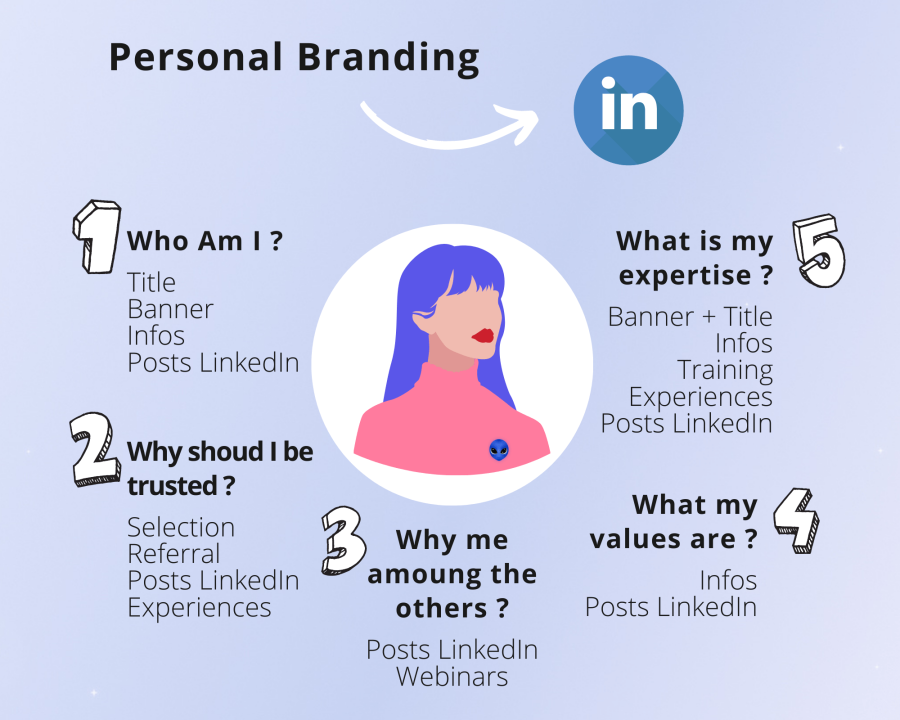
Your LinkedIn profile isn't just a digital resume; it’s the foundation of your personal brand. It's often the first impression you make on potential clients, employers, or collaborators. In 2026, a strategically optimized profile is more important than ever. Let's break down each section and how to approach it.
Start with your headline. Forget generic job titles like 'Marketing Manager.' Instead, focus on the value you provide. For example, 'Growth Marketing Strategist | Helping B2B SaaS Companies Scale Revenue' is much more compelling. Use keywords that your target audience is searching for, but avoid keyword stuffing.
Next, the 'About' section. This is your opportunity to tell your story and showcase your personality. Write in the first person and focus on your passions, values, and what drives you. Don’t just list your accomplishments; explain why they matter. Keep it concise and easy to read, using short paragraphs and bullet points where appropriate.
Your experience section should highlight your achievements and quantifiable results. Instead of saying 'Managed social media accounts,' say 'Increased social media engagement by 30% in six months, resulting in a 15% increase in leads.' And finally, your skills section. Make sure to include a mix of hard and soft skills, and regularly update it to reflect your evolving expertise. A professional headshot and a background photo that reflect your personal brand are also essential.
Content Pillars: Finding Your Voice
Consistent content creation is crucial for LinkedIn success, but it’s not about quantity; it’s about quality and relevance. You need to establish a clear content strategy, built around a few core themes. These are your 'content pillars' – the subjects you consistently address in your posts.
To identify your content pillars, consider your expertise, your target audience, and your overall brand positioning. What are you genuinely passionate about? What problems can you solve for your audience? What makes you unique? Aim for 3-5 pillars that are broad enough to provide ample content opportunities, but specific enough to establish you as an authority.
For example, a marketing consultant might choose pillars like 'Content Marketing,' 'SEO,' 'Social Media Strategy,' and 'Marketing Analytics.' A software engineer might focus on 'Python Programming,' 'Cloud Computing,' 'Data Science,' and 'Software Architecture.' I've seen successful individuals in the finance space use pillars like 'Personal Finance,' 'Investing,' 'Retirement Planning,' and 'Financial Literacy'.
When it comes to content formats, LinkedIn supports a variety of options: long-form articles (LinkedIn Publisher), short-form posts, videos, polls, newsletters, and even LinkedIn Live. In 2026, video is increasingly dominant, but don't neglect other formats. Experiment to see what resonates best with your audience. Don’t be afraid to repurpose content across different formats. A long-form article can be broken down into a series of short-form posts, or a video script.
The Power of 'Thoughtful' Engagement
Engagement isn’t just about liking and commenting on posts. It’s about contributing to the conversation in a meaningful way. It’s about adding value, offering insights, and building relationships. In 2026, thoughtful engagement is more important than ever.
Instead of simply saying 'Great post!', try offering a specific observation or asking a thought-provoking question. For example, 'I agree with your point about X, and I've found that Y also works well. What are your thoughts?' This demonstrates that you’ve actually read and considered the content.
Actively participate in relevant LinkedIn groups. Share your expertise, answer questions, and contribute to discussions. But avoid self-promotion. Focus on providing value to the community. Also, identify key influencers in your industry and engage with their content. Share their posts, comment thoughtfully, and even send them a direct message to introduce yourself.
I’ve found that a simple, well-crafted comment can often lead to a valuable connection or even a new opportunity. It’s about building genuine relationships, not just accumulating connections. Remember, LinkedIn is a social platform, and social interaction is key.
Engagement Starters
- Building on this… - Share a relevant personal experience that illustrates or expands upon the original poster’s point.
- Alternative Perspective - Offer a respectfully contrasting viewpoint, framing it as another valid approach. Begin with acknowledging the value in the original post.
- Deeper Dive Question - Pose a question that encourages the original poster (and others) to elaborate on a specific aspect of their post. Focus on ‘how’ or ‘why’.
- Resource Sharing - If the post resonates with a relevant article, study, or tool, share it and briefly explain its connection. Avoid self-promotion.
- Future Implications - Discuss how the idea presented might evolve or impact the industry in the next 1-3 years. This demonstrates forward-thinking.
- Practical Application - Describe a specific scenario where the advice or insight could be applied. This shows you're thinking about real-world use cases.
- Connecting Concepts - Relate the post’s topic to another, seemingly unrelated, field or discipline. This can spark innovative discussion.
Networking: Beyond Connections
LinkedIn isn't simply about accumulating connections; it’s about building genuine relationships. While a large network can be beneficial, it’s the quality of those connections that truly matters. In 2026, strategic networking is essential for building your personal brand and achieving your professional goals.
Start by identifying key influencers in your industry – people who are respected thought leaders and have a large, engaged following. Connect with them, but don’t just send a generic connection request. Personalize your message and explain why you want to connect. Mention something specific about their work that you admire.
Actively participate in relevant LinkedIn groups. These groups are a great way to connect with like-minded professionals, share your expertise, and learn from others. Don’t just lurk; contribute to the discussions and offer valuable insights. Consider attending LinkedIn Events, both virtual and in-person. These events provide opportunities to network with potential clients, partners, and collaborators.
My personal approach to networking is to focus on building genuine relationships, not just collecting connections. I prioritize quality over quantity, and I always try to offer value to the people I connect with. I've built some incredibly valuable relationships through LinkedIn, and those relationships have opened doors to new opportunities.
LinkedIn Analytics: What Actually Matters
Forget obsessing over follower counts. In 2026, the metrics that truly matter are those that indicate engagement and impact. LinkedIn Analytics provides a wealth of data, but it’s important to focus on the right metrics.
Engagement rate is the percentage of people who interacted with your content (likes, comments, shares). This is a much more valuable metric than total views, as it indicates how resonant your content is with your audience. Reach tells you how many unique LinkedIn members saw your content. Impressions tell you how many times your content was displayed. Click-through rate measures the percentage of people who clicked on a link in your post.
Pay attention to which types of content generate the highest engagement. Are videos performing better than articles? Are certain topics resonating more with your audience? Use this data to refine your content strategy and create more of what your audience wants to see. LinkedIn Analytics also provides demographic data about your audience, which can help you tailor your content to their interests.
However, be aware of the limitations of LinkedIn Analytics. It doesn't provide a complete picture of your impact. It’s often helpful to supplement it with other tools, such as social media analytics platforms, to get a more comprehensive view.
Key LinkedIn Analytics Metrics for Personal Branding (2026)
| Metric | Description | How to Improve | Importance |
|---|---|---|---|
| Profile Views | The number of times your LinkedIn profile has been viewed. | Optimize your profile with a professional headshot, compelling headline, and detailed 'About' section. Regularly share valuable content. | High |
| Post Impressions | The total number of times your posts have been displayed to users. | Post consistently, experiment with different content formats (text, image, video), and target relevant hashtags. | High |
| Engagement Rate | A measure of interaction with your content (likes, comments, shares). | Ask questions in your posts, respond to comments promptly, and encourage discussion. | Medium |
| Follower Growth | The rate at which your follower count is increasing. | Share valuable insights, engage with other users' content, and actively participate in relevant groups. | Medium |
| Article Views | The number of times your published articles have been viewed. | Write high-quality, original articles that address the needs and interests of your target audience. Promote your articles across other platforms. | Medium |
| Search Appearances | How often your profile appears in LinkedIn search results. | Use relevant keywords throughout your profile, particularly in your headline and 'About' section. Focus on building attention rather than chasing the algorithm. | High |
| Social Selling Index (SSI) | LinkedIn's measure of your effectiveness at establishing relationships, finding leads, and influencing buyers. | Establish your professional brand, find and engage with the right people, share insights, and build relationships. | Medium |
Illustrative comparison based on the article research brief. Verify current pricing, limits, and product details in the official docs before relying on it.
Future-Proofing Your LinkedIn Strategy
LinkedIn is constantly evolving, and what works today may not work tomorrow. To stay ahead of the curve, you need to be prepared to adapt your strategy to emerging trends. Several key trends are shaping the future of LinkedIn.
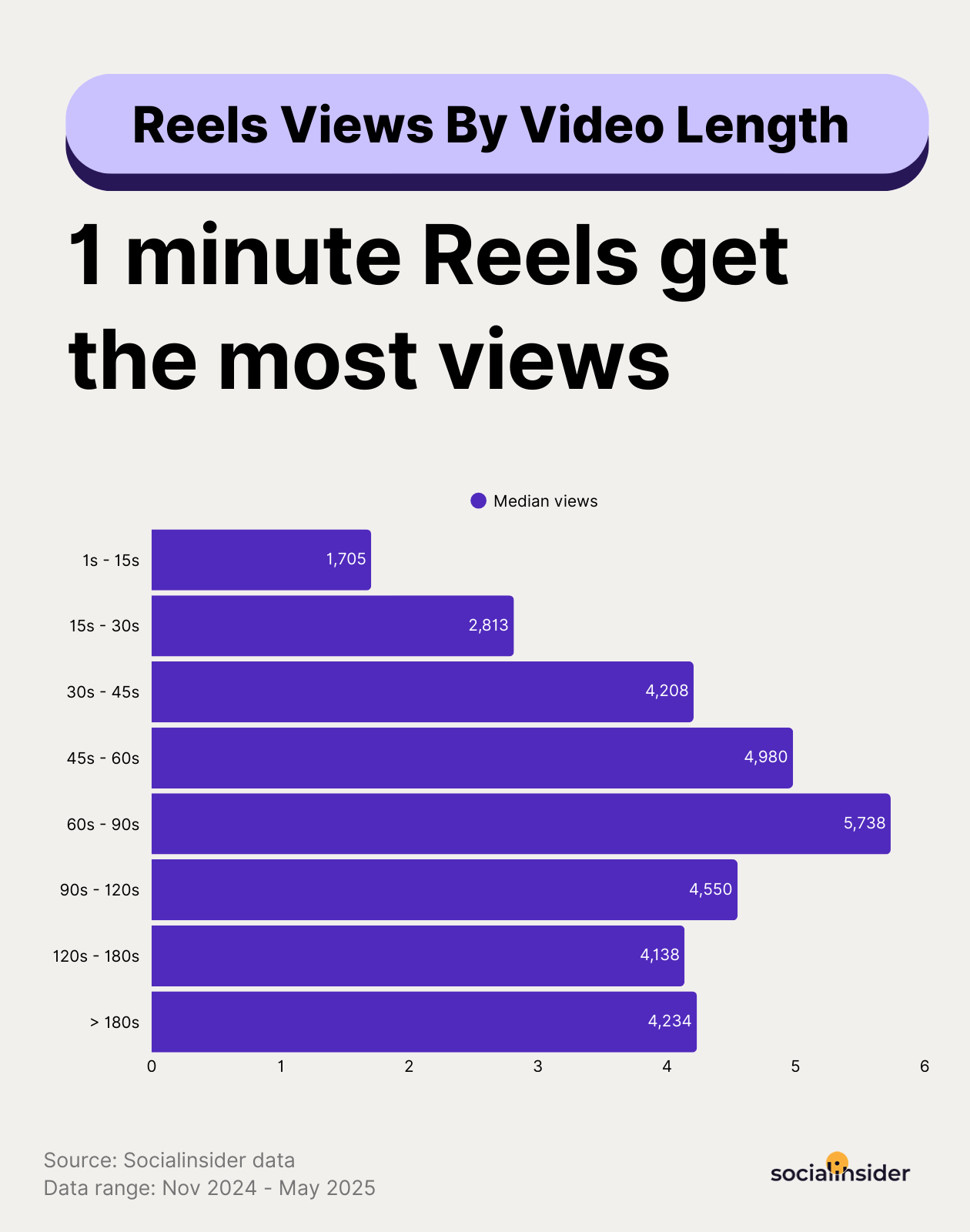
The rise of video is undeniable. LinkedIn is prioritizing video content, and users are increasingly consuming it. Incorporate video into your content strategy whenever possible. The increasing importance of authenticity is another key trend. People are tired of polished, corporate messaging. They want to connect with real people who are genuine and transparent.
The potential impact of AI is also significant. AI-powered tools are already being used to create and curate content, and this trend is likely to accelerate. Experiment with AI tools to streamline your content creation process, but don’t rely on them completely. Remember, authenticity is key.
I predict that in 2027 and beyond, LinkedIn will become even more focused on community building and personalized experiences. The platform will likely introduce new features that facilitate deeper connections and more meaningful interactions. To prepare for this future, focus on building a strong personal brand, creating valuable content, and engaging with your audience in a thoughtful and authentic way. Continuous learning and adaptation will be essential for long-term success.
No comments yet. Be the first to share your thoughts!