
LinkedIn's 2026 attention economy
LinkedIn in 2026 is less about gaming the algorithm and more about earning attention. Tommy Clark noted in early 2026 that you have to build attention the algorithm can't ignore. This means you stop posting for reach and start posting things people actually want to read. If you aren't a resource for your industry, you're just noise.
We’ve seen a move away from purely algorithmic feeds on other platforms, and LinkedIn is following suit. The platform is prioritizing content that keeps users on LinkedIn, and that’s content that resonates. It’s not about tricks or hacks, but about building a real audience who values your insights. Don't expect overnight success; building attention takes consistent effort.
Hitting 5,000 followers is a practical milestone. It signals to clients and employers that you have a verified audience. At this level, you get better reach and access to monetization tools that aren't available to smaller accounts.
The attention metric
LinkedIn itself is actively pushing this shift in focus. Recent messaging from LinkedIn (linkedin.com) emphasizes quality connections and meaningful engagement over simply inflating follower numbers. They understand that a large follower count doesn’t necessarily translate into business results. It's about who is truly paying attention to what you say.
Attention is measured in dwell time—the seconds someone spends on your post before scrolling. It shows up in shares where people actually add their own take, and in comments that go deeper than 'great post.' I'd rather have 50 real comments than 500 empty likes.
Obsessing over follower count is a trap. It’s easy to get caught up in the numbers, but it distracts you from what truly matters: building a community and providing value. A smaller, highly engaged audience is far more powerful than a large, passive one. Focus on creating content that sparks conversation and builds relationships.
- Dwell time, or how long people stay on your post.
- Shares with commentary: People adding their own insights
- Thoughtful comments: Substantive engagement
Pick a niche and stay there
Generalist content gets lost in the noise. Seriously. I’ve seen so many professionals try to be everything to everyone on LinkedIn, and it rarely works. You need to identify a hyper-specific niche within your industry to stand out and attract a dedicated following. Think about what unique expertise you can offer.
Instead of 'marketing,' consider 'B2B content marketing for SaaS companies.' Instead of 'finance,' try 'financial modeling for renewable energy projects.' The more focused you are, the easier it is to attract the right audience. It also makes content creation much easier – you know exactly who you’re talking to and what problems you’re solving.
But don’t just assume there’s an audience for your niche. You need to validate it. Is there actual demand for your expertise? Are people actively searching for information on this topic? Use LinkedIn’s search function, explore relevant groups, and look for existing conversations to gauge interest. A niche without an audience is just a hobby.
Content Pillars: Your 2026 Framework
Forget random acts of content. This approach is unsustainable and ineffective. We need to build a content pillar strategy – a framework of 3-5 core themes that define your expertise and guide your content creation. This provides focus and ensures your content remains consistent and valuable.
For example, if you're a SaaS marketing expert, your pillars might be: Lead Generation, Content Strategy, and Marketing Automation. Each pillar then generates a series of posts, articles, and videos. One pillar could be lead generation, with posts on topics like "The Ultimate Guide to LinkedIn Lead Magnets’ or ‘5 Common Lead Generation Mistakes."
I’ll show you how to map out a content calendar that keeps you consistent without feeling overwhelmed. Plan your content at least a month in advance, and schedule it using LinkedIn’s native scheduling tool or a third-party platform like Buffer or Hootsuite. Batching your content creation – writing several posts at once – can save you a lot of time.
- Identify 3-5 core themes that define your expertise.
- Generate a series of posts, articles, and videos for each pillar.
- Plan your content at least a month in advance.
- Schedule your content using LinkedIn's tools or a third-party platform.
Content Pillar Matrix
| Pillar Topic | Content Format | Frequency | Target Keyword | Example Title |
|---|---|---|---|---|
| Industry Trends | Article | Bi-weekly | Future of Work | The Evolving Role of AI in Marketing: A 2026 Outlook |
| Personal Branding | Post | 3-5 times per week | LinkedIn Profile Optimization | Crafting a LinkedIn Profile That Attracts Opportunities |
| Leadership Insights | Video | Monthly | Effective Leadership | Leading Through Change: Strategies for 2026 and Beyond |
| Skill Development | Newsletter | Monthly | Professional Skills | Sharpen Your Skills: Essential Training for the Modern Professional |
| Company News & Updates | Post | Weekly | Company Culture | Behind the Scenes at [Your Company]: Innovation in Action |
| Thought Leadership | Article | Quarterly | Industry Analysis | Disruptive Technologies Shaping the [Your Industry] Landscape |
| Networking Strategies | Post | 2-3 times per week | LinkedIn Networking | Building Meaningful Connections on LinkedIn: A Practical Guide |
Illustrative comparison based on the article research brief. Verify current pricing, limits, and product details in the official docs before relying on it.
The video gap
Video is still wide open on LinkedIn. While TikTok is saturated, most professionals here are still too shy to hit record. That creates a massive gap for anyone willing to be on camera.
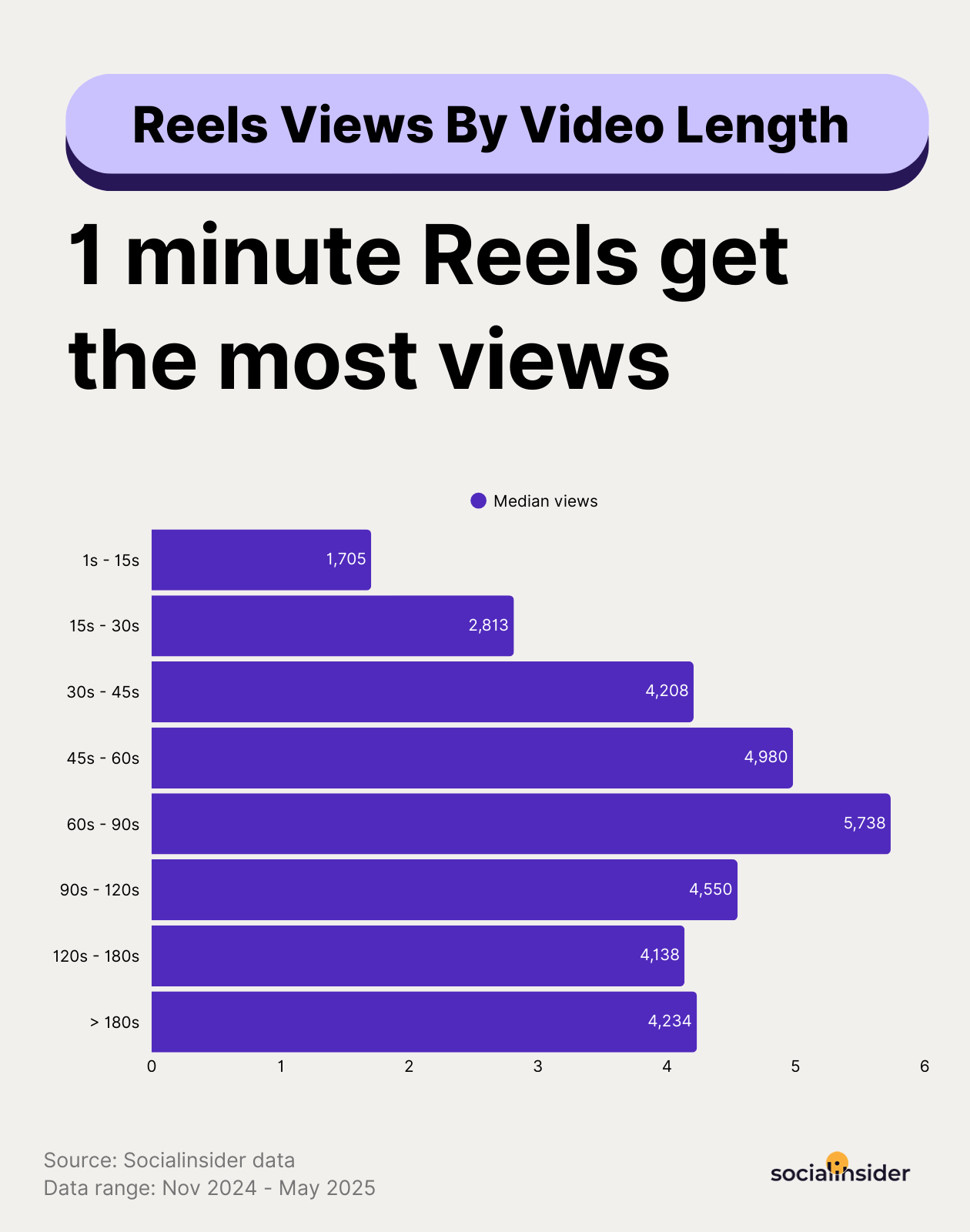
We’ll cover how to create short, engaging videos that capture attention in the feed. Think behind-the-scenes glimpses into your work, quick tips and tutorials, and thought leadership takes on industry trends. Keep your videos concise – aim for under 60 seconds. People scroll quickly, so you need to grab their attention immediately.
I recommend using free video editing tools like CapCut or Canva to create professional-looking videos. Don't forget the importance of captions and transcripts. Many people watch videos with the sound off, so captions ensure your message is still conveyed. Transcripts also improve accessibility and SEO.
Participate in the comments
This isn’t just about responding to comments on your own posts. It’s about actively participating in conversations within your niche. Find relevant LinkedIn groups, comment on industry leaders’ posts, and share valuable insights. This demonstrates your expertise and builds relationships.
I’ve found that consistently providing thoughtful commentary positions you as an authority and attracts followers organically. Don't just say 'Great post!' – add something of value. Offer a different perspective, ask a clarifying question, or share a relevant resource. Show that you're genuinely engaged with the community.
LinkedIn’s algorithm rewards engagement. Posts with high engagement are shown to more people. By actively participating in conversations, you’re not only building your network, but also increasing the visibility of your content. It’s a win-win.
Monetization Strategies: Beyond the Creator Program
LinkedIn’s Creator Program is a good start, offering potential revenue streams based on engagement. However, it’s not the only way to monetize your network. You need to diversify your income streams to build a sustainable business.
Consider offering consulting services based on your expertise. LinkedIn is a great platform for attracting clients. You can also create and sell digital products like eBooks, templates, or online courses. These can be valuable resources for your audience and generate passive income. Using LinkedIn to generate leads for your existing business is also a strong option.
I’ll share examples of creators who are successfully monetizing their LinkedIn presence. Many are offering premium content through platforms like Patreon or Substack, while others are using LinkedIn to book speaking engagements or secure consulting contracts. Building an email list is also crucial – it allows you to own your audience and communicate with them directly.
- Offer consulting services
- Selling digital products like templates or short courses.
- Generate leads for your existing business
- Build an email list
No comments yet. Be the first to share your thoughts!