

how the instagram algorithm changed
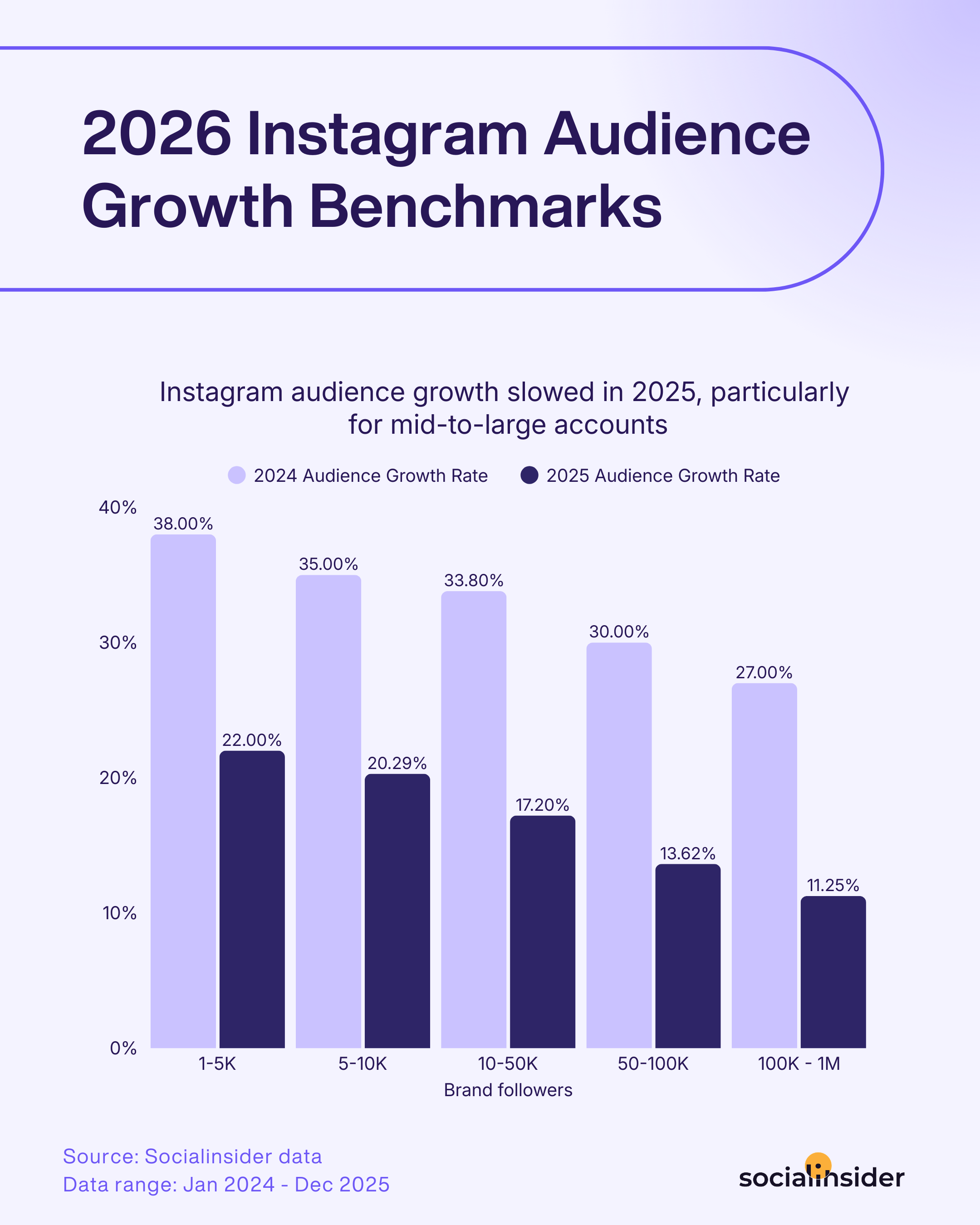
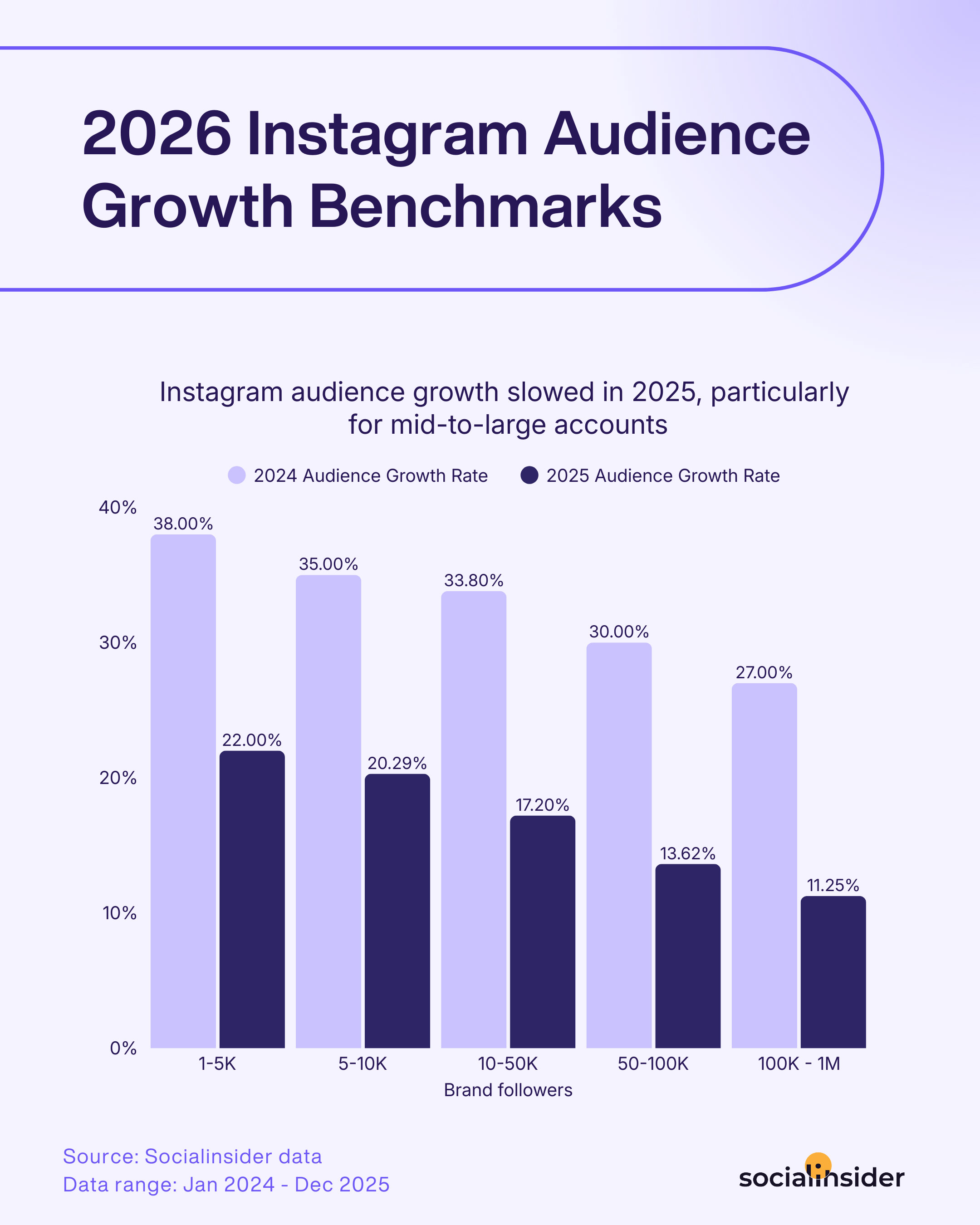
Instagram in 2026 doesn't look like it did two years ago. If you're still relying on broad hashtags or specific posting windows from 2024, your growth has likely stalled. The algorithm now uses AI to prioritize people who actually talk to each other rather than just scrolling past. You have to change how you post or you'll stay stuck at your current follower count.
The core change is Instagram’s increased ability to understand intent. The platform isn’t just looking at what you post, but why someone is interacting with it. Are they genuinely interested, or are they just scrolling? AI is the engine driving this understanding, and it’s getting better at filtering out inauthentic activity. Brock Johnson, in his recent YouTube analyses, emphasizes that the algorithm is now heavily focused on rewarding content that sparks meaningful conversations and fosters community.
This means that simply posting pretty pictures or engaging videos isn't enough anymore. You need to understand what your audience truly wants and deliver content that resonates with their individual interests. AI-powered strategies aren’t just helpful; they’re essential for cutting through the noise and getting your content seen. The days of “growth hacking” are over; it's about building a real connection.
The platform's move towards AI isn’t about penalizing creators, but about delivering a better experience for users. It’s about showing people content they’ll actually enjoy, which, in turn, keeps them coming back. This requires a fundamental shift in how we approach Instagram growth. We need to move from a volume-based strategy to a quality-and-relevance-based one, and AI is the tool that makes that possible.

using ai for content creation
For many, AI content creation still conjures images of simple filters and automated edits. That’s a very outdated view. In 2026, AI is capable of so much more. We’re talking about tools that can generate entire content pillars based on your niche, write compelling captions tailored to your brand voice, and even create short-form video scripts complete with suggested visuals. It’s a game-changer for content production.
Several platforms now offer AI-powered content generation. Jasper.ai, for example, can create a month’s worth of Instagram captions in minutes, while tools like Synthesia can generate realistic AI avatars for video content. Even more impressively, tools like Scalenut allow you to create variations of your content for A/B testing, helping you identify what resonates most with your audience. This level of optimization was simply impossible a few years ago.
However, it’s crucial to remember that authentic AI-assisted content is key. The “uncanny valley” is real. Content that feels too robotic or generic will turn people off. Human oversight is essential to ensure your content maintains a consistent brand voice and feels genuine. AI should be seen as a collaborator, not a replacement, for your creativity.
There are also ethical considerations. Always disclose when AI has been used to create content, especially if it involves generating images or videos of people. Transparency builds trust, and trust is essential for long-term success. While AI offers incredible opportunities, it's important to use it responsibly and ethically.
- Jasper.ai helps write captions and blog posts when you have writer's block.
- Synthesia: Creates AI avatars for video content.
- Scalenut: Develops content variations for A/B testing.
- Pictory: Transforms long-form content into engaging short videos.
personalized engagement through dms
Gone are the days of generic, mass-produced direct messages. In 2026, successful Instagram engagement relies on hyper-personalization. AI can now analyze follower profiles – their bio, recent posts, interests, and even their engagement patterns – to identify common themes and tailor direct messages accordingly. This isn’t about sending spam; it’s about initiating genuine conversations.
Tools like Reply.io and ManyChat integrate with Instagram to automate personalized responses to comments and DMs. These tools can be programmed to identify keywords, answer frequently asked questions, and even offer customized recommendations. However, the key is to avoid robotic-sounding messages. AI should assist in crafting responses, not replace human interaction.
A powerful application of AI-driven engagement is identifying potential brand advocates. AI can pinpoint followers who are consistently engaging with your content, leaving thoughtful comments, and sharing your posts. Building relationships with these individuals can turn them into loyal customers and enthusiastic promoters of your brand. This is far more effective than simply trying to reach a wider audience.
It’s important to acknowledge the risks of over-automation. Sending too many automated messages can come across as spammy and damage your reputation. Human moderation is crucial to ensure that all interactions are genuine and respectful. Think of AI as a tool to enhance your engagement, not replace it.
predicting hashtag trends
Traditional hashtag research – manually searching for relevant tags and tracking their popularity – is becoming increasingly obsolete. The speed at which trends change on Instagram demands a more proactive approach. AI can now predict trending hashtags before they peak, giving you a first-mover advantage and increasing your content’s visibility.
Tools like RiteTag and Hashtagify analyze real-time data to identify emerging hashtags and predict their future performance. They can also analyze competitor hashtag strategies, revealing gaps in their coverage that you can exploit. Using a mix of broad, niche, and branded hashtags is still important, but AI helps you refine your strategy for maximum impact.
Equally important is avoiding banned hashtags. Instagram regularly updates its list of prohibited tags, and using them can significantly harm your account’s reach. AI-powered tools can automatically detect and flag banned hashtags, protecting your account from penalties. The shift is away from overly saturated hashtags, focusing on more specific, community-driven tags.
The goal isn’t just to use popular hashtags, but to use hashtags that are relevant to your content and your target audience. AI helps you identify those hashtags with precision, ensuring that your content reaches the right people and generates meaningful engagement.
- RiteTag suggests hashtags based on what is trending right now.
- Hashtagify: Analyzes hashtag trends and competitor strategies.
- Keyhole: Tracks hashtag performance and provides real-time analytics.
Hashtag Strategy Comparison for Instagram Growth (2026)
| Hashtag Type | Reach | Engagement | Competition | Relevance |
|---|---|---|---|---|
| Broad Hashtags | High | Low | High | Medium |
| Niche Hashtags | Medium | Medium | Medium | High |
| Branded Hashtags | Low | High | Low | High |
| Trending Hashtags | Medium | Medium | High | Medium |
| Location-Based Hashtags | Medium | Medium | Medium | Medium |
| Industry-Specific Hashtags | Medium | High | Medium | High |
| Community Hashtags | Medium | Medium | Medium | Medium |
Illustrative comparison based on the article research brief. Verify current pricing, limits, and product details in the official docs before relying on it.
automated instagram ads
Instagram advertising in 2026 is almost entirely driven by artificial intelligence. AI is automating ad creation, targeting, and optimization, making it easier than ever to reach your ideal customers. Dynamic creative optimization (DCO) is a particularly powerful feature, allowing Instagram to personalize ads based on individual user data, such as their interests, demographics, and past behavior.
DCO works by automatically testing different combinations of headlines, images, and calls to action to identify the most effective ad variations. This eliminates the need for manual A/B testing, saving you time and resources. AI also plays a crucial role in retargeting, showing ads to users who have previously interacted with your content or visited your website.
Lookalike audiences, powered by AI, allow you to reach new customers who share similar characteristics with your existing audience. This is a highly effective way to expand your reach and generate leads. However, the cost of Instagram ads is steadily increasing, making efficient ad spend more important than ever. AI helps you optimize your campaigns to maximize your return on investment.
Tracking ad performance and making data-driven adjustments is essential. Instagram’s analytics dashboard provides detailed insights into your ad campaigns, allowing you to identify what’s working and what’s not. AI-powered tools can even provide recommendations for improving your ad performance.
finding the best time to post
Forget generic advice about the "best times to post" on Instagram. Those recommendations are outdated. In 2026, AI can analyze your specific follower activity to determine the optimal posting times for your account. This takes into account factors like time zones, engagement patterns, and even individual user behavior.
Tools like Later and Hootsuite now offer AI-powered scheduling features that automatically adjust posting times based on real-time performance. These tools learn from your data and continuously optimize your schedule to maximize reach and engagement. Consistency is still vital. Maintaining a regular posting schedule is key to keeping your audience engaged.
The rise of Instagram Reels and Stories has also impacted optimal posting times. Reels tend to perform well at different times than static image posts, so it’s important to tailor your schedule accordingly. Brock Johnson’s strategy emphasizes consistent posting of Reels during peak engagement hours, often in the evenings.
AI isn’t just about scheduling; it’s about understanding when your audience is most receptive to your content. By leveraging AI-powered insights, you can ensure that your posts are seen by the maximum number of people.
- Later: AI-powered scheduling and analytics.
- Hootsuite: Social media management platform with AI features.
- Buffer: Scheduling tool with insights into optimal posting times.
making money from your followers
Reaching 10,000 followers on Instagram opens up a world of monetization opportunities. Brand partnerships are the most common, allowing you to collaborate with businesses and promote their products or services to your audience. Affiliate marketing involves earning a commission on sales generated through your unique referral links.
You can also sell your own digital products, such as ebooks, online courses, or presets. Offering services, such as social media consulting or content creation, is another viable option. Building a strong personal brand and establishing trust with your followers is crucial for successful monetization.
The InfluenceFlow monetization guide from 2025 covers these strategies in more detail. You have to be honest about what is an ad. If you lie about a product just to get a commission, you'll lose the trust you spent months building.
Remember that monetization isn’t just about making money; it’s about providing value to your audience. Choose products and services that align with your brand and that you genuinely believe in.


No comments yet. Be the first to share your thoughts!